Yi Sun-Sin, Chong Moo, “Lojal & Martial".
An inspiring history lesson for the ITF Radix Tour to Korea, Easter 2026
By Roy Rolstad
This Easter, 2026, about sixty students of ITF Teakown-Do will travel to Seoul, Korea, for the “ITF Radix Tour”. We go to train, to connect, and to deepen our understanding of Taekwon-Do at its source. This Tour is mostly about cultural exploration and history, learning from people in Korean history who embodied discipline, responsibility, and clarity under pressure.
One such figure from Korean history, and presented to us with a pattern, stands above most others: Yi Sun-Sin, known by his posthumous title Chong Moo (忠武), or meaning “Loyal and Martial.” During our stay in Seoul, we will visit the memorial statue of Chong Moo, Yi Sun-Sin. We do so as tourists, and as martial artists seeking perspective.
Loyalty Without Reward
Yi Sun-Sin lived during one of the most dangerous periods in Korean history. When Japan invaded the Korean peninsula in the late 1500s, the Joseon dynasty faced an enemy that was both numerically superior and technologically advanced. Yi rose to command through preparation, discipline, and moral consistency.
Despite a series of decisive naval victories, Yi Sun-Sin was betrayed by internal politics. False accusations led to his arrest, harsh punishment, and demotion. His carefully built fleet was handed to another commander and was almost entirely destroyed at the Battle of Chilcheollyang.
When Yi Sun-Sin was reinstated, the situation was desperate.
Official records show that he was left with thirteen surviving ships, of which barely a dozen were battle-ready.
This is not just a dramatic exaggeration, like some historians argue about the Hwa Rang warriors. It is a documented historical reality.
Fundamentals Decide Outcomes
At the Battle of Myeongnyang in 1597, Yi Sun-Sin faced an enemy fleet many times larger than his own. Retreat would have been understandable. Defeat seemed likely.
Instead, Yi chose position over numbers.
He studied tides, currents, and terrain. He restricted the enemy’s movement and denied them the advantage of mass. Yi imposed structure. He relied on courage, preparation and control.
This may have looked like a miracle.
Admiral Yi was a leader who had solid fundamentals, applied under extreme pressure.
For Taekwon-Do practitioners, the parallel is clear. When conditions are unfavorable, structure and fundamentals decide outcomes.
Leadership Without Ego
Yi Sun-Sin never claimed to be fearless. His war diary reveals doubt, concern, and a constant awareness of responsibility toward the men under his command. What separated him from others was confidence and restraint.
He fought because retreat meant abandoning responsibility.
In his final battle at Noryang in 1598, Yi Sun-Sin was mortally wounded. His last instruction to his officers was simple and direct:
“Do not announce my death. Continue the battle.”
This is leadership without ego, service placed above self.
Why is Yi Sun-Sin so important to ITF Practitioners?
The first five Taekwon-Do patterns was Hwa-Rang, Chong-Moo, Ul-Ji, Sam-Il and U-Nam.
General Choi was in the development process of structuring Taekwon-Do. And by connecting strong historical figures and events to the new patterns he also gave the art a pure Korean identity in both spirit, mind and body.
At its core, Taekwon-Do is about control, discipline, and correct action under pressure. Yi Sun-Sin’s life illustrates principles that should be immediately recognizable to any serious practitioner:
Structure
Discipline
Responsibility
These are abstract ideas, and they apply directly to how we train, how we teach, and how we lead, inside and outside the dojang.
Standing Before the Memorial
When we stand before the memorial statue of Chong-Moo, Yi Sun-Sin in Seoul in 2026, we honor him because:
He was one of the greatest inspirations of General Choi Hong Hi
He maintained structure when systems collapsed
He chose responsibility over self-preservation
He remained loyal to principles, not positions
This is the same standard Taekwon-Do demands of us.
As we travel together to Korea, let us carry this lesson with us, during training, and back into our clubs, our instruction, and our daily lives.
When everything is lost, structure remains.
When structure remains, there is still a path forward.
That is the lesson of Admiral Yi Sun-Sin and General Choi Hong Hi
Roy Rolstad
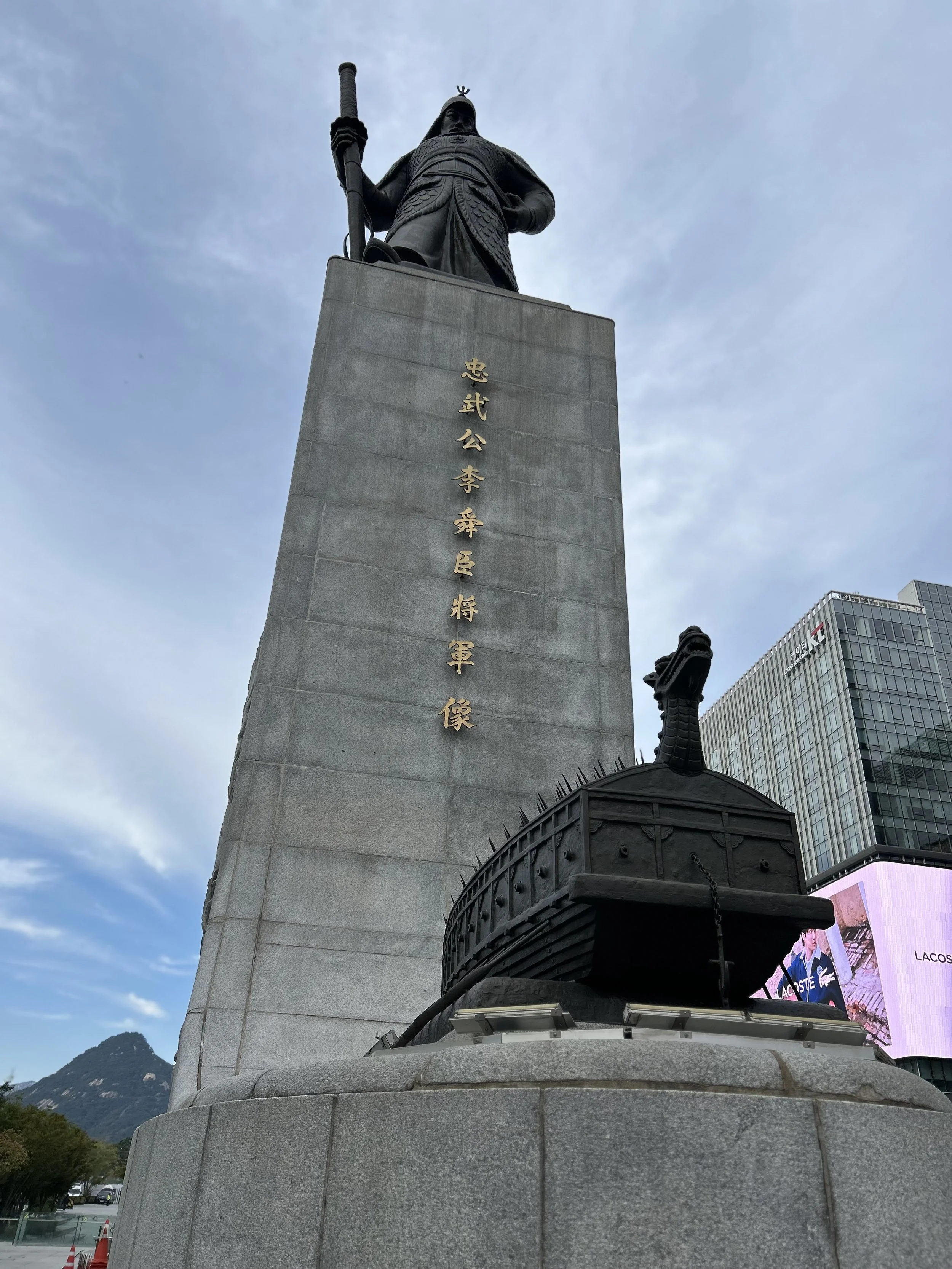
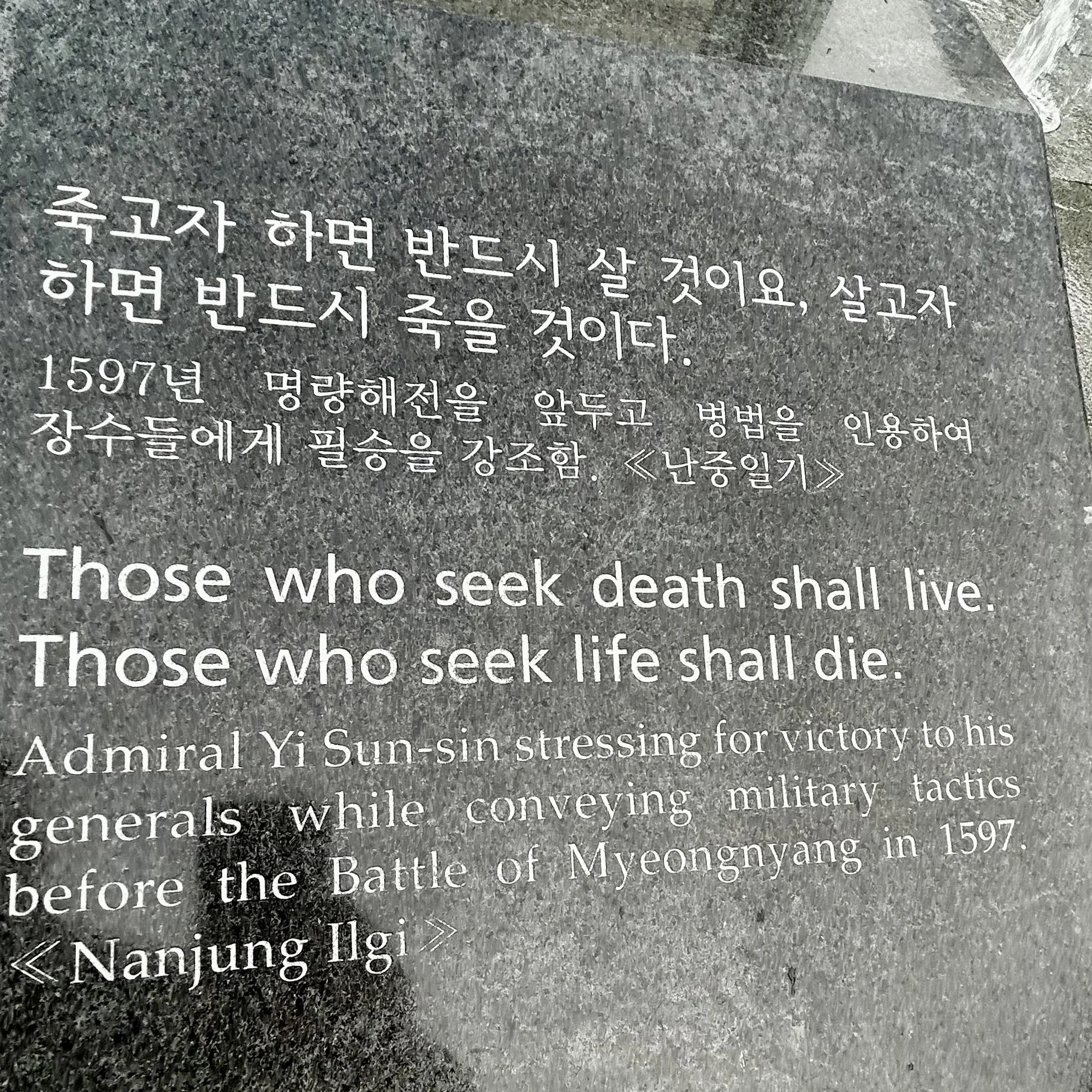
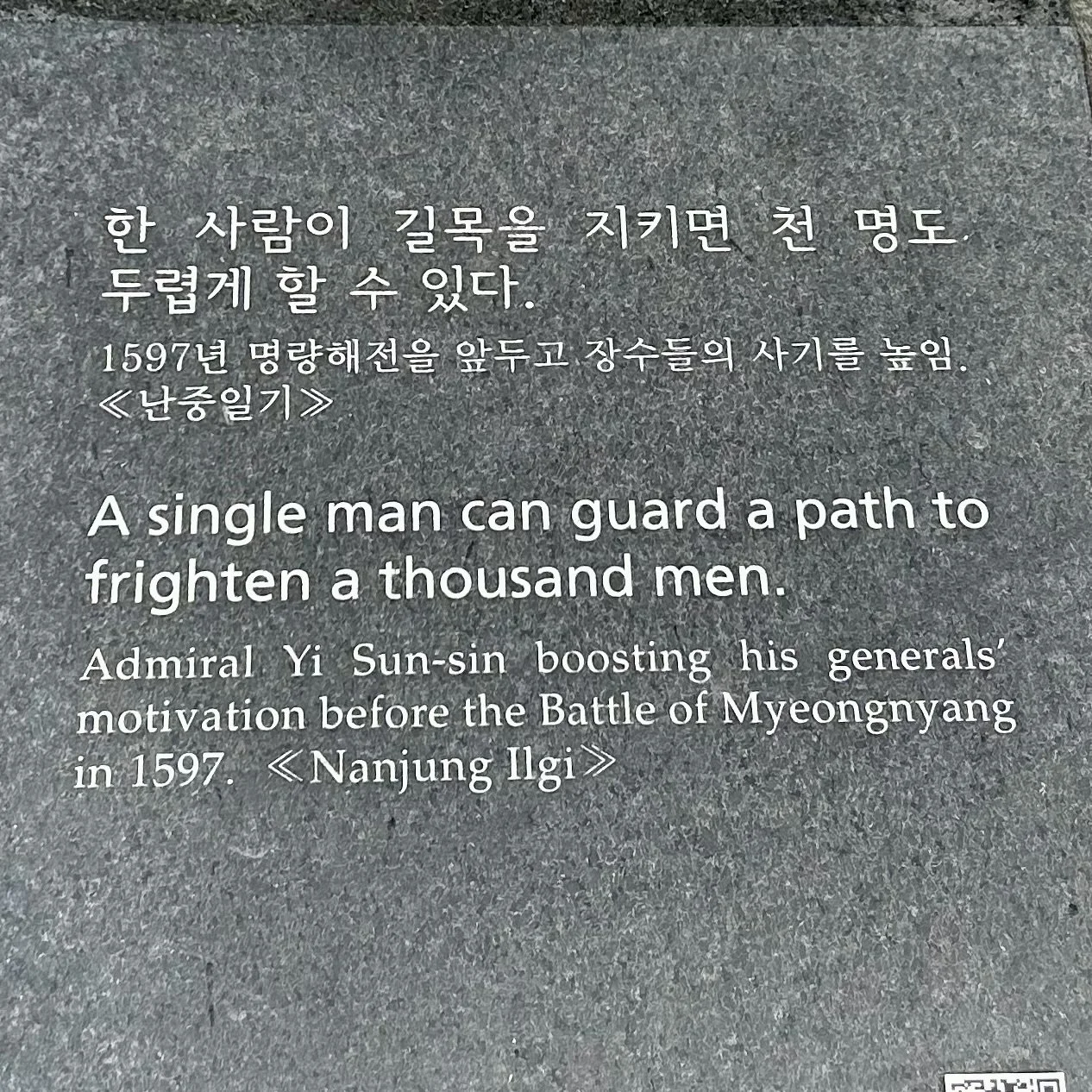
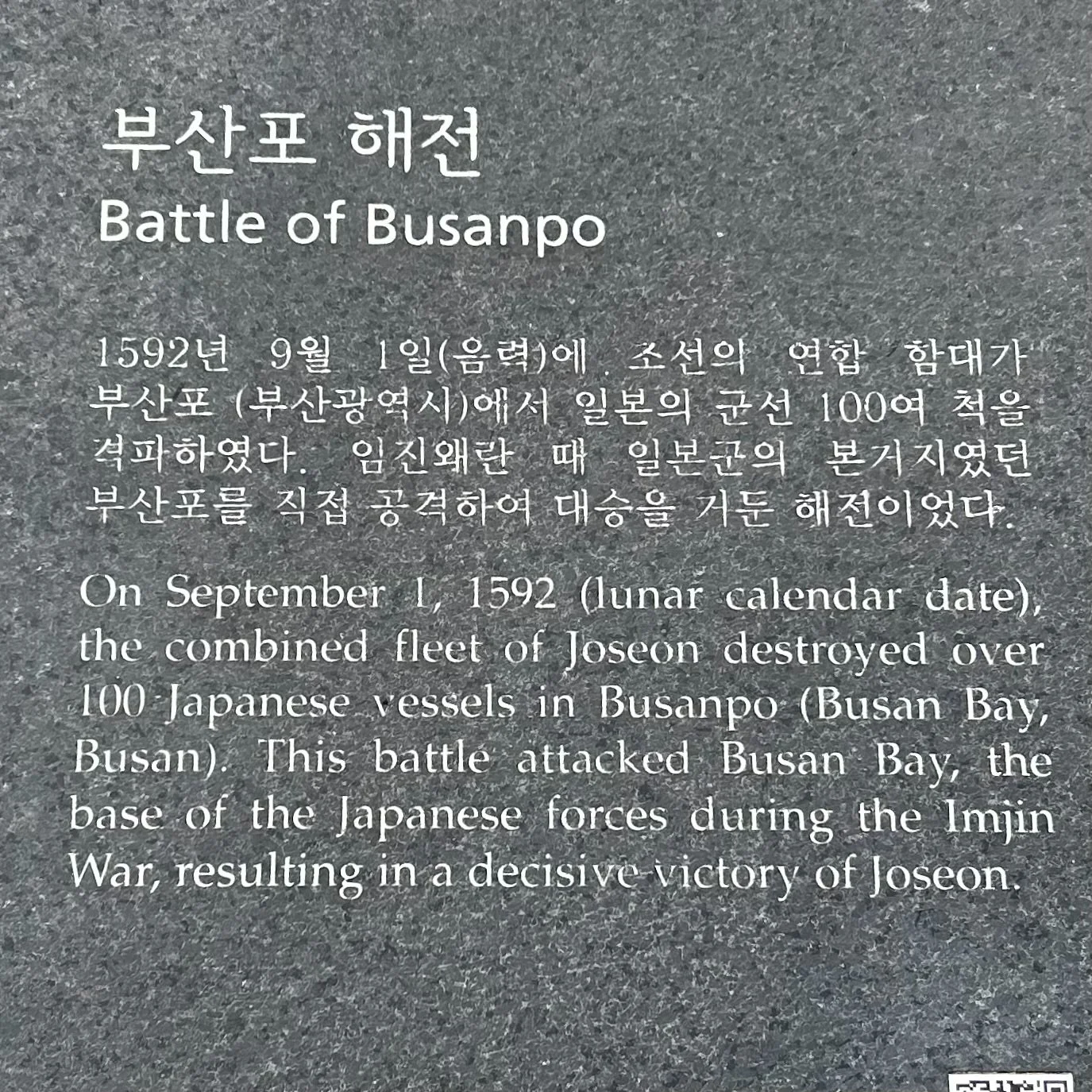
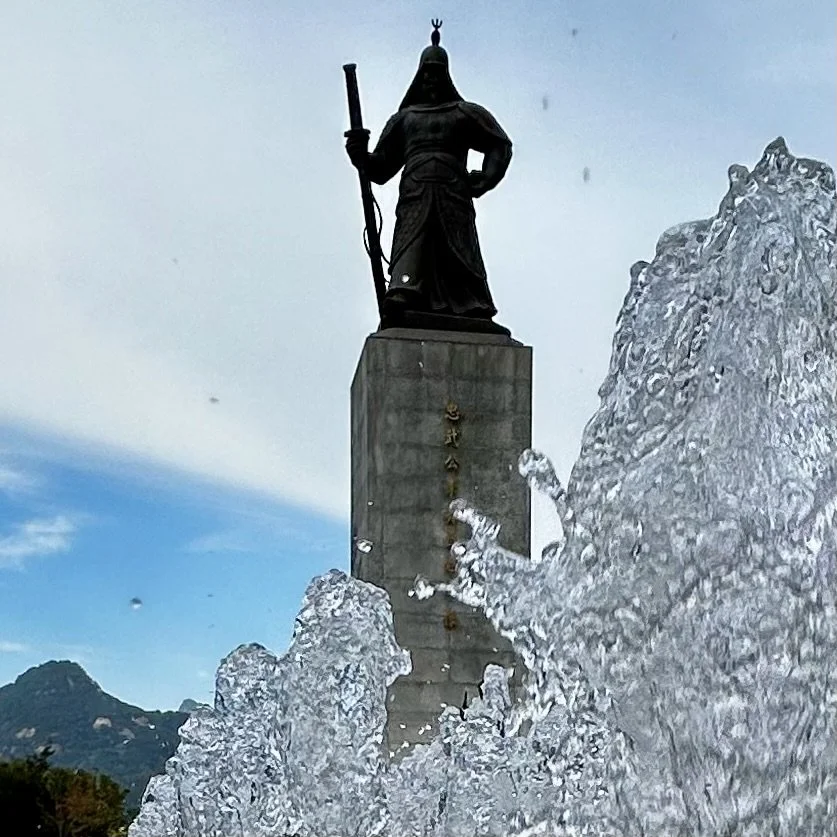
Some pictures from my last trip to Seoul. Expect more to come, as one of our guests photographers, Raimon Bjørndalen is coming along for the
ITF Radix Tour - 2026